
Buyer Guides
Choosing a Conversation Intelligence Platform: A Buyer’s Guide
Evaluate conversation intelligence platforms for your contact center. Learn to move from manual QA sampling to total coverage with this comprehensive guide.
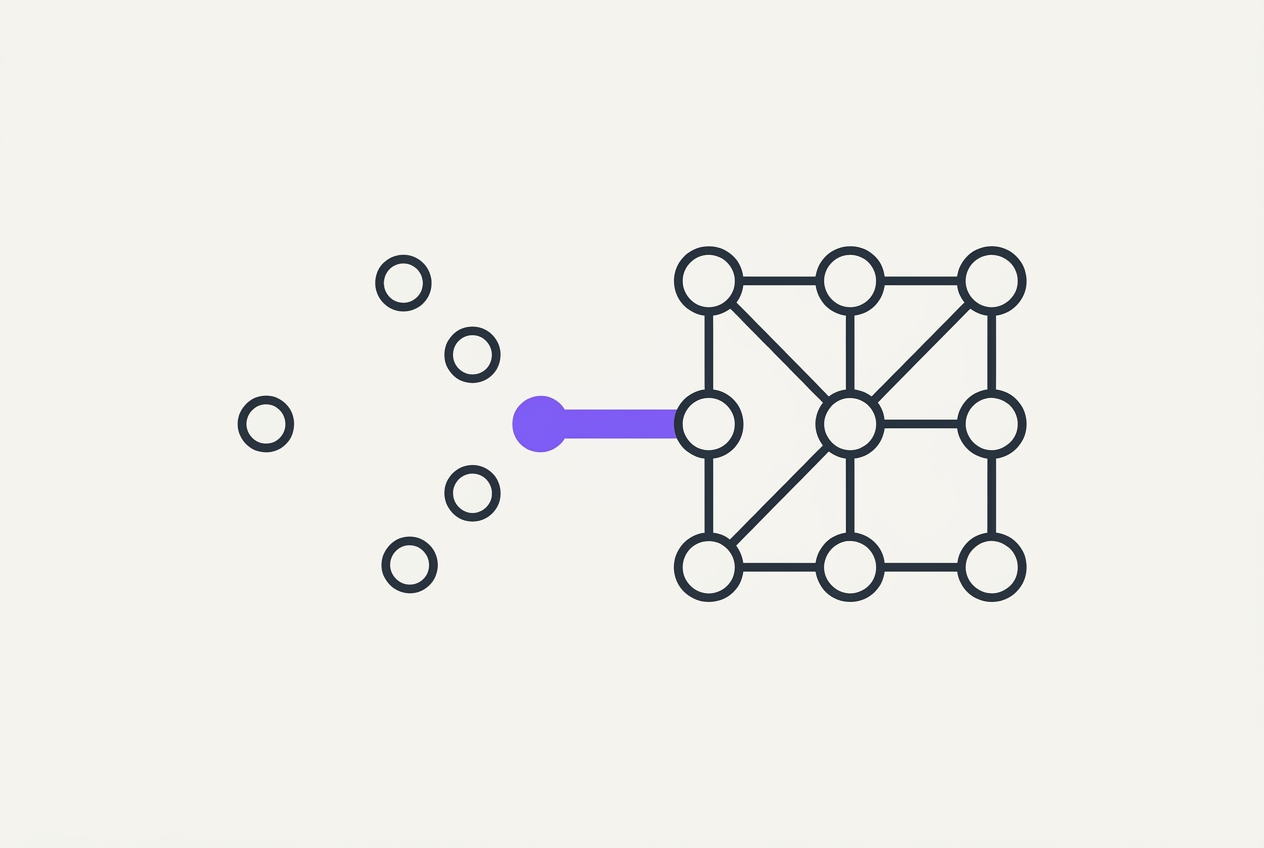
Conversation intelligence platforms analyze every customer interaction across voice and digital channels to extract actionable insights. By replacing manual quality assurance sampling with automated analysis, these tools help contact center leaders identify compliance risks, coaching opportunities, and customer sentiment trends. Selecting the right platform requires a balance of transcription accuracy, integration depth with existing systems, and the ability to turn raw data into supervisor-ready workflows.
Key takeaways:
- Total Coverage: Transitioning from 1–2% manual call sampling to 100% automated analysis provides a statistically significant view of agent performance.
- Integration Strategy: The most effective platforms sit between the CCaaS layer (routing) and the CRM layer (customer record), requiring robust API connectivity.
- Compliance Automation: Specialized tools can flag regulatory violations or script deviations in real-time, reducing the burden on legal and QA teams.
- Transcription Quality: The foundation of any intelligence platform is its acoustic and language models; domain-specific models generally outperform generic ones.
What is Conversation Intelligence in the Contact Center?
Conversation intelligence (CI) refers to the category of software that uses speech-to-text (STT) and natural language processing (NLP) to transcribe and analyze customer interactions. Unlike traditional call recording, which simply stores audio files, CI platforms treat every word as data. This allows organizations to search for specific keywords, detect emotions, and categorize calls by intent or outcome automatically.
According to Gartner’s Customer Service & Support practice, the maturity of these technologies has reached a point where domain-specific AI is becoming a requirement for enterprise buyers. Organizations no longer look for simple transcription; they seek platforms that understand the nuance of their specific industry, whether that is healthcare, financial services, or retail.
The Shift from Manual QA to Automated Insights
For decades, contact centers have relied on supervisors listening to a handful of calls per month to evaluate agent performance. This method is prone to bias and misses the vast majority of customer interactions. Modern conversation intelligence platforms solve this by processing every call, chat, and email.
When a team uses a tool like Hear.ai, they move from reactive sampling to proactive risk management. Instead of hoping a supervisor catches a compliance error, the system flags the error immediately across all interactions. This shift allows QA managers to spend their time coaching based on trends rather than searching for problems in a haystack of audio files.
Core Capabilities to Evaluate
When building an RFP for a conversation intelligence platform, prioritize these four technical pillars:
1. Transcription Accuracy and Latency
Transcription is the engine of CI. If the text is inaccurate, the sentiment analysis and automated scoring will be flawed. Evaluate whether the vendor uses their own proprietary models or relies on hyperscalers like Google Cloud or AWS. While hyperscalers offer broad language support, specialized vendors often tune their models for the specific acoustics of telephony, which are lower quality than standard audio.
2. Automated Scoring and QA Workflows
Look for platforms that allow you to digitize your existing QA forms. The software should be able to automatically check if an agent stated the required disclosures or followed the greeting script. This functionality is a core component of Forrester’s CX Predictions, which suggest that automation will increasingly handle the rote elements of supervisor oversight.
3. Sentiment and Intent Detection
Basic sentiment analysis (positive, negative, neutral) is often insufficient for enterprise needs. Advanced platforms identify specific intents—such as a customer wanting to cancel a subscription or a caller expressing frustration with a specific product feature. This data should be exportable to business intelligence tools to inform product and marketing strategies.
4. Compliance and Data Redaction
In regulated industries, the ability to redact sensitive information (PCI, PII, PHI) from both audio and transcripts is mandatory. Ensure the vendor can demonstrate automated redaction that happens before the data is stored. A conversation-intelligence layer like Hear.ai is often deployed specifically to ensure that 100% of calls are monitored for these high-stakes compliance markers.
Navigating the Vendor Landscape
Buyers typically choose between three types of vendors:
- CCaaS-Native Tools: Platforms like Genesys, Five9, or Talkdesk offer built-in conversation intelligence. The advantage here is a unified interface and easier setup. The tradeoff is often a less specialized feature set compared to best-of-breed tools.
- CRM-Integrated Tools: Salesforce Service Cloud and Microsoft offer intelligence features that tie closely to the customer record, which is ideal for organizations that want the CRM to be the primary workspace for agents.
- Specialized Best-of-Breed: Vendors such as Observe.AI or Hear.ai focus exclusively on the analysis layer. These are often chosen by large enterprises that require deep compliance monitoring or have a multi-vendor CCaaS environment.
Managing the Integration and Data Strategy
A conversation intelligence platform is only as useful as the data it can access. Buyers must ensure the platform can ingest data from their telephony provider, chat platform, and CRM.
Before signing a contract, verify the vendor's API documentation. You will likely want to push CI insights back into the CRM so that when a customer calls again, the agent can see the sentiment of the previous interaction. This connected data strategy is a key theme in IDC’s Future of Customer Experience research, which emphasizes that data silos are the primary barrier to effective CX.
Cost and ROI Considerations
Pricing for CI platforms typically follows a per-agent per-month model or a per-minute consumption model. When calculating ROI, look beyond "saved time" for QA managers. The real value often comes from:
- Reduced Churn: Identifying customers at risk of leaving based on sentiment and intent patterns.
- Lower Compliance Penalties: Preventing costly fines by ensuring 100% script adherence in regulated sectors.
- Faster Agent Ramp: Using the "best" call transcripts as training materials for new hires, which is explored further in our guide to agent coaching.
FAQ
How accurate does transcription need to be for CI to work?
While 100% accuracy is impossible due to accents and background noise, most enterprise-grade platforms achieve over 85% Word Error Rate (WER) accuracy. For automated QA to be reliable, accuracy in identifying specific keywords and phrases is more important than perfect grammar in the transcript.
Does conversation intelligence replace human supervisors?
No. It shifts the supervisor's role from "finding the problem" to "fixing the problem." Instead of spending hours listening to random calls, supervisors receive a daily report of the specific calls that require their attention, allowing for more targeted and effective coaching.
Is real-time guidance better than post-call analysis?
Real-time guidance helps agents during the call (e.g., suggesting a rebuttal for an objection), while post-call analysis is better for long-term trend reporting and QA. Many organizations start with post-call analysis to build a baseline before moving to the higher complexity of real-time tools.
How do these platforms handle customer privacy?
Most platforms offer automated PII (Personally Identifiable Information) redaction. This ensures that credit card numbers or social security numbers are scrubbed from the transcript and audio before they are stored or reviewed by a human.
Moving to an automated intelligence model is a fundamental shift in how contact centers operate. To ensure you have the right infrastructure in place, review our RFP template for CCaaS to see how intelligence fits into your broader tech stack.